
Paediatric physiotherapy helps babies, children and teenagers develop and refine the way they move — building strength, coordination and confidence as they grow. Signs a child may benefit include delayed milestones such as rolling, sitting or walking later than expected, frequent falls or clumsiness, walking on tiptoes, low muscle tone, or ongoing pain and limping. If any of these sound familiar, an assessment is simply a chance to understand what's happening and, more often than not, to reassure you that your child is tracking well.
What is paediatric physiotherapy?
Paediatric physiotherapy focuses on how children move, grow and reach their physical developmental milestones. Where adult physiotherapy usually centres on recovering a function that was already there, working with children is about helping a skill develop in the first place — and doing so at the right stage for that child. The approach looks quite different, too. Sessions are play-based and developmentally appropriate, using games, obstacle courses and toys rather than clinical exercises, so children stay engaged and motivated. It's also family-centred: parents and carers are partners in the process, learning simple activities to weave into everyday routines at home.
Common reasons children are referred
Children are referred to physiotherapy for a wide range of reasons, and every child is different. Some of the most common include:
- Gross-motor delay — reaching milestones like sitting, crawling or walking later than usual.
- Low muscle tone (hypotonia) — where muscles feel soft or floppy and a child tires quickly during physical activity.
- Coordination difficulties — including developmental coordination disorder (DCD), where everyday movements and sport feel harder to master.
- Toe-walking — persistent walking on tiptoes beyond the toddler years.
- Torticollis and plagiocephaly in babies — a preferred head turn or a flattening of the head shape in the early months.
- Sporting injuries and growth-related conditions — in older children and teens, conditions such as Osgood-Schlatter (knee) and Sever's (heel) are common during growth spurts.
- Post-surgery or fracture rehabilitation — regaining strength and movement after an injury or operation.
- Ongoing conditions such as cerebral palsy — where physiotherapy supports movement, function and participation, often as part of an NDIS plan.
Signs to watch — gently
Before anything else, it helps to remember that children develop at their own pace, and a great deal of variation is completely normal. The list below isn't a checklist of problems — it's simply a prompt to consider an assessment if something has been on your mind. Early input is often about peace of mind as much as anything else.
- Milestones such as rolling, sitting, crawling or walking that seem noticeably delayed.
- Frequent falls, tripping or general clumsiness compared with peers.
- Persistent toe-walking, or always leading with the same side of the body.
- Muscles that seem particularly floppy, or a child who tires quickly and avoids physical play.
- Pain, limping or reluctance to use an arm or leg.
- In babies, a strong preference to turn the head one way, or a developing flat spot.
Please read this as general information rather than a diagnosis. If you're unsure, a friendly conversation with your GP or child-health nurse, or a professional assessment, is the best next step.
What a session looks like
A first appointment usually begins with a chat about your child's history and the things you've noticed, followed by a gentle, play-based assessment of how they move. From there, your physiotherapist works with you on a plan built around your child's goals — whether that's keeping up in the playground, managing a sport-related niggle or reaching the next developmental step. Much of the value happens between sessions, through simple, fun activities you can do together at home.
Booking a paediatric assessment
If you'd like clarity or reassurance, our team offers paediatric assessments at our Kirrawee and Helensburgh clinics. You can learn more about our paediatric physiotherapy service, find your nearest clinic on our locations page, or get in touch to book a time that suits your family. There's no need to wait until you're certain — an assessment is a supportive first step, whatever the outcome.
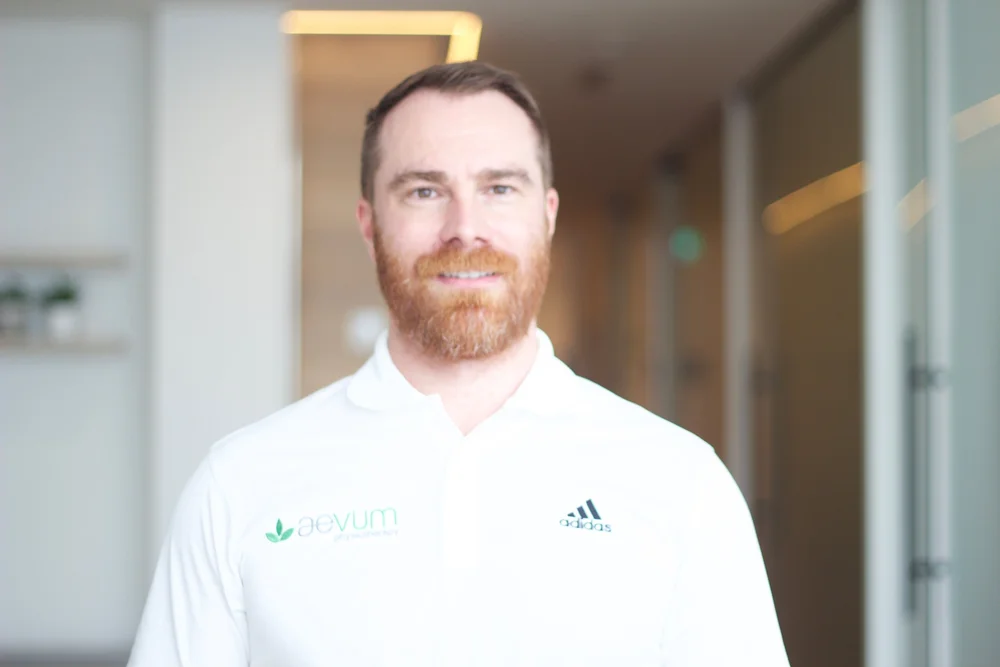
Written by Aaron Babb, MAppSc Physiotherapy
Founder & Director of Aevum Health · Physiotherapist since 2006